5.29. S0/S2 Trunk Parameterization 


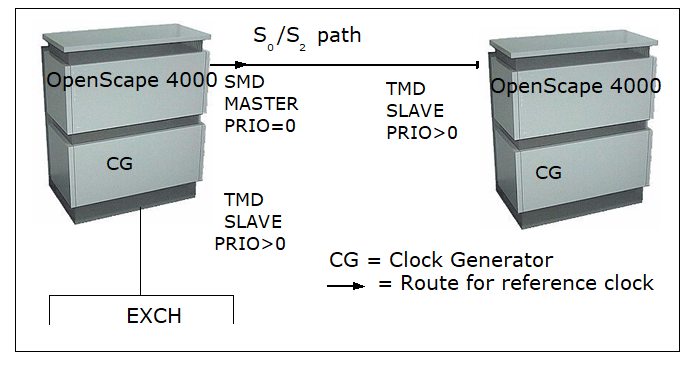
Figure 65. Example of parameterization for reference clock supply
IMPORTANT:
The MASTER/SLAVE allocation is for layer 2 signalling
(D-channel), has nothing to do with the clock distribution and can also
be set in the reverse direction.
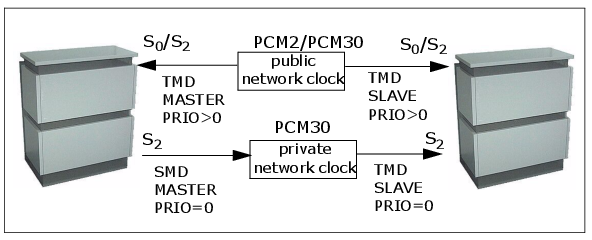
Figure 66. Example of parameterization for range extension
Three sets of associated parameters must be observed for parametrization for the
reference clock supply:
SMD - TMD
MASTER - SLAVE (NETWORK-SIDE - USER-SIDE)
PRI 0 - PRI > 0
The following rules must be adhered to (Figure 67)
- Exchange trunks (S0/S2) are always
- TMD
- SLAVE
- PRI > 0
- The following applies to tie trunks
- SMD should have priority=0, MASTER should normally apply.
- Normally, TMD has priority > 0, and SLAVE is set.
- Normally, the three parameters have the opposite values in the remote system.
- if SMD is set, the circuit will not be regarded as reference clock supplier even if priority = 0. Exception (see Figure 68): if PCM2/30 lines are installed for range extension, the OpenScape 4000 circuits are marked as TMD. AMOs concerned
Generation (Example)
- Exchange trunks - S0
AD-TDCSU:OPT=NEW,COTNO=number,PROTVAR=param,DEV=S0COD;
The parameters SLAVE and TMD are set by the AMO. They do not appear in the user interface. - Exchange trunks - S2
CHA-LWPAR:TYPE=DIUS2,BLNO=number,MASTER=N(Standard),
SMD=N(Standard);

AD-TDCSU:OPT=NEW,COTNO=number,PROTVAR=number,DEV=S2COD,
TGRP=number, BCGR=0,LWPAR=number;
- Tie trunks - S0
AD-TDCSU:OPT=NEW,COTNO=number,PROTVAR=param,DEV=S0CONN,
MASTER=Y,SMD=Y;

AD-REFTA:PEN=ltg-ltu-slot-cct,PRI=0;
- Tie trunks - S2
CHA-
LWPAR:TYPE=DIUS2,BLNO=number,MASTER=N(Standard),SMD=N(Standard);

AD-TDCSU:OPT=NEW,COTNO=number,PROTVAR=number,DEV=S2CONN,
TGRP=number, BCGR=0,LWPAR=number;
- Priority setting
AD-REFTA:PEN=x,PRI=nn;