12.2.3. Service Information 


- Flexrouting can also be operated without a server.
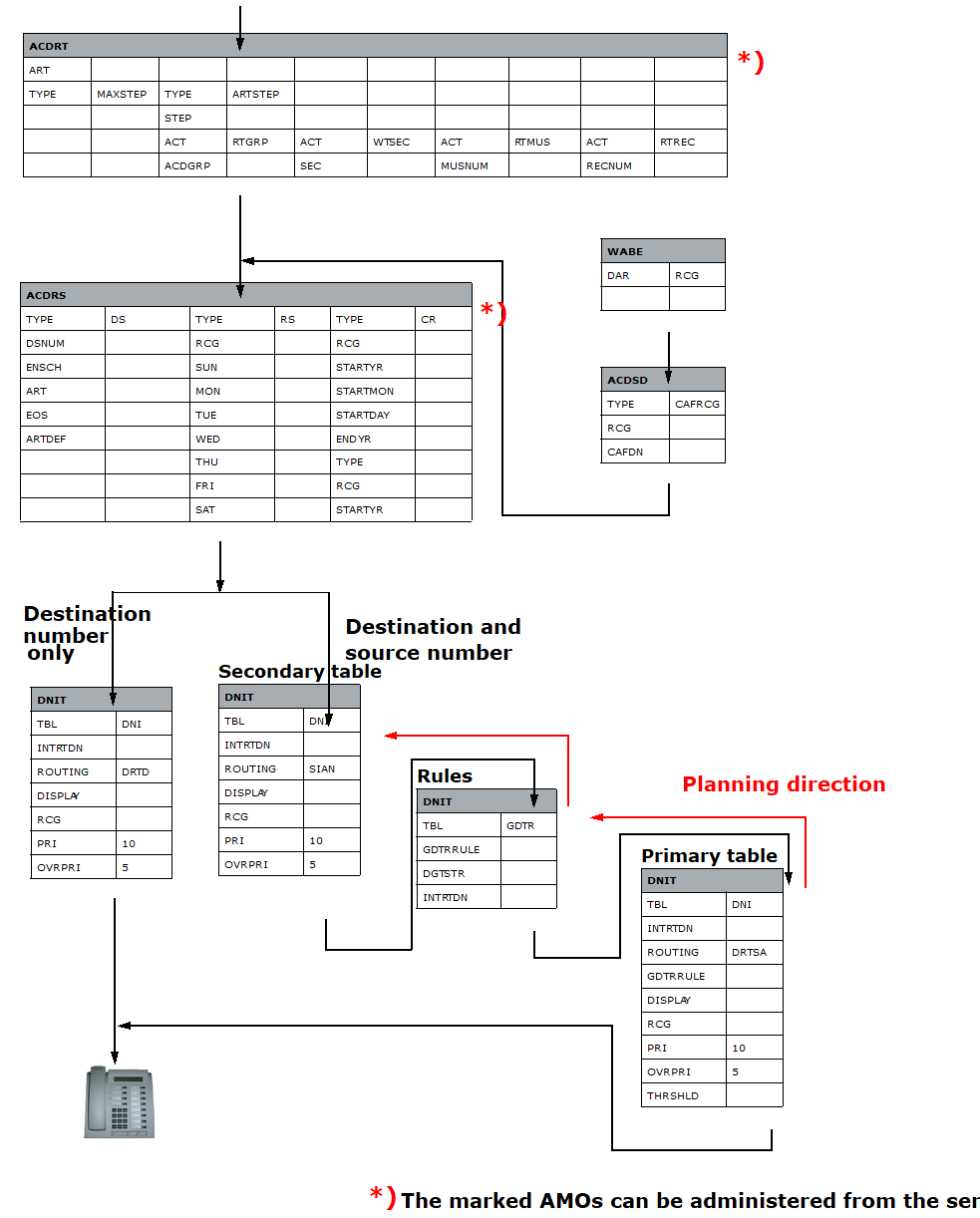
- Flexrouting is assigned a DPLN group with the AMO ZAND. This means that callers can also reach the destinations they require by calling the appropriate DPLN.
- The LCR classes of service that are forwarded by the flexrouting feature when setting up a call belong to the A-station. The LCOSs associated with trunks are used for stations that do not forward an LCOS.
- Terminals with key module should be used in preference.
- A SUPERVISOR/AGENT must not be a member of a CHESE (SECR) as this would nullify its flexrouting functions.
- ART 1 (ACD routing table) cannot be modified in the AMO ACDRT. ARTs 2-15 can only be modified with the master password. Standards should be defined in these ARTs for emergency operation. They can only be modified in the SET branch at the operating terminal. The other ARTs can be modified with a level-2 password at the operating terminal and the agents.
- The Silent Monitoring parameter in the AMO ZAND allows authorized users to override calls at authorized extensions. The send route is deactivated here.
- An external VMS must be entered as a destination with the following syntax: VMOWN ACD mailbox
- The attendant console operator can dial ACD numbers directly.
- The attendant console operator can initiate consultation calls with ACD numbers.
- The CASTMON function in the AMO SDAT can now be configured for analog terminals.
- There are now only four possible slots for the DMP5L Q2271-X board.
- GDTR rules for routing based on outgoing numbers is now available for up to 22 digits (formerly only sixteen).
- SMTIMER: Timer for delayed activation of silent/tone monitoring can
be configured.
Figure 122. Generation information, part 1
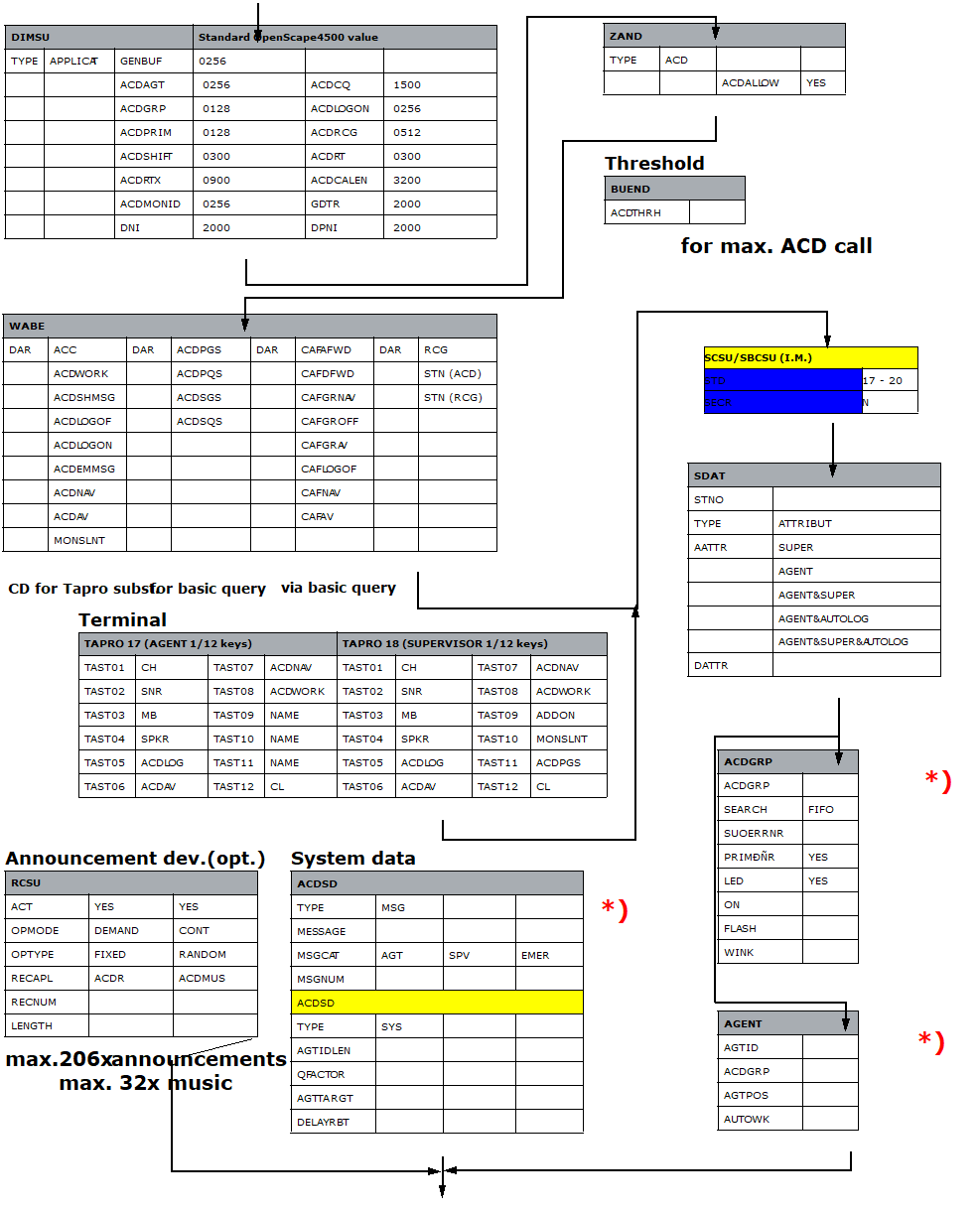
Figure 123. Generation information, part 2